SR22 After a Flood: Can You Insure a Water-Damaged Car?
- An SR-22 is a form your insurer files with the state — it is not a separate insurance policy.
- Expect a one-time filing fee (often $15–$50) plus a premium increase that reflects the underlying violation.
- You must keep the policy continuous for the state's full requirement period, usually 1–3 years.
You just got your car back from the shop. The mildew smell is mostly gone, but the electronics are still glitchy. Now your lawyer says you need an SR22. For a flood car? Seriously? My first thought was, “This has to be a joke.” The whole point is proving you have insurance, but what company would even look at a salvaged title after a flood? I felt stuck. Totally, completely stuck.
Turns out, I wasn’t alone. This weird corner of the insurance world exists, and it’s a maze.
How to get SR22 insurance for a flood-damaged car?
It’s not a normal shopping trip. You can’t just click “compare quotes.” You have to call. A lot. Start with your current provider, if you have one. Some non-standard insurers specialize in high-risk cases. I mean, a flood car owned by someone who needs an SR22? That’s high-risk squared.
The key thing they’ll ask about is the title. Is it “rebuilt” or “salvage”? Each state’s different. A rebuilt title has been inspected and cleared. That’s your best shot. A pure salvage title? Much harder. They see it as a pile of expensive, rusty problems waiting to happen.
What companies offer SR22 for water-damaged vehicles?
Big names like Geico or State Farm? Probably not for this combo. They prefer standard risks. You’re looking at companies like The General, Direct Auto, or some regional insurers. I found an agent who handled “difficult filings.” He was my lifeline. An independent agent can shop around with multiple companies,which is crucial. Don’t waste time on big company websites.
Be ready for surprise questions. They asked me for repair receipts, the DMV inspection report, everything. It’s more like an investigation than an application.
Why is SR22 insurance so expensive for flood cars?
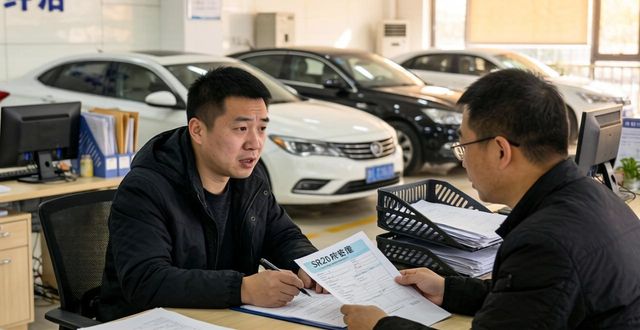
Oh, the cost. It hurts. They’re not just pricing the SR22 filing fee (that’s cheap, like $25). They’re pricing the car. To them, a flood-damaged car is a massive liability risk. What if the brakes short out? What if the airbag sensor fails? They’re betting against your car’s reliability. My premium was nearly double what I’d paid for my old, clean-title sedan.
And the SR22 itself marks you as a high-risk driver. Add a flood car, and you’re basically wearing a sign that says “expensive claim likely.” They price that fear.
Does flood damage affect SR22 filing requirements?
No. This was my big misunderstanding. The SR22 is about you, the driver, proving financial responsibility to the state. The flood damage is about the car. They’re separate issues for the DMV. But for the insurance company, they merge into one big, ugly risk calculation.
The filing process is the same: the insurer sends the SR22 form to your state DMV. The car’s history doesn’t change that state requirement. It just makes finding a company willing to file it the real battle.
Can I get cheap SR22 insurance on a salvage title car?
“Cheap” is the wrong word. Try “least expensive.” It’s damage control. To lower the quote, I had to play with coverage. Max out the deductibles. Drop comprehensive and collision if you can—though with a loan, you might not have a choice. It felt like insuring a ticking time bomb for the bare minimum.
You’re not buying good coverage. You’re buying a legal document (the SR22) and the state-minimum liability to go with it. It’s a hollow feeling, honestly.
So, can it be done? Yes. But it’s a grind. You need patience, paperwork, and a tolerance for bad news on the phone. In the end, I got a policy. It’s expensive. It feels fragile. But it keeps me legal. The car starts most days, and the certificate is on file. That’s the win, I guess. A small, expensive, slightly moldy win. Just start calling. And keep that DMV letter handy. You’ll need to read it a few times to keep going. Good luck. You’ll need it.