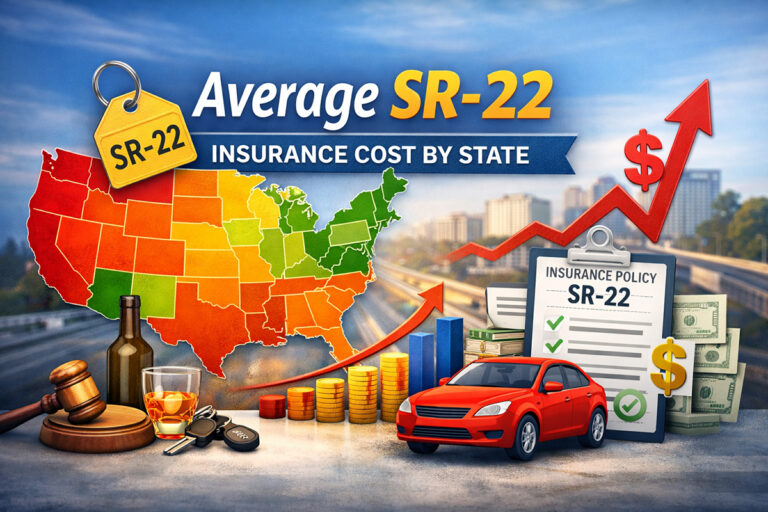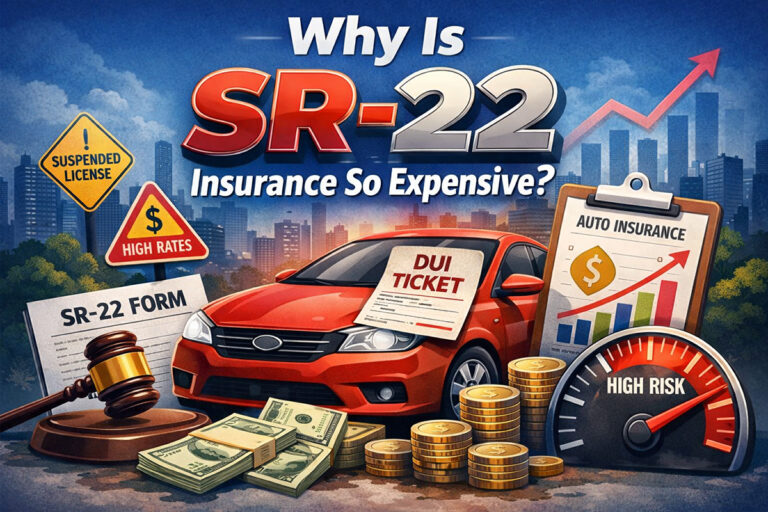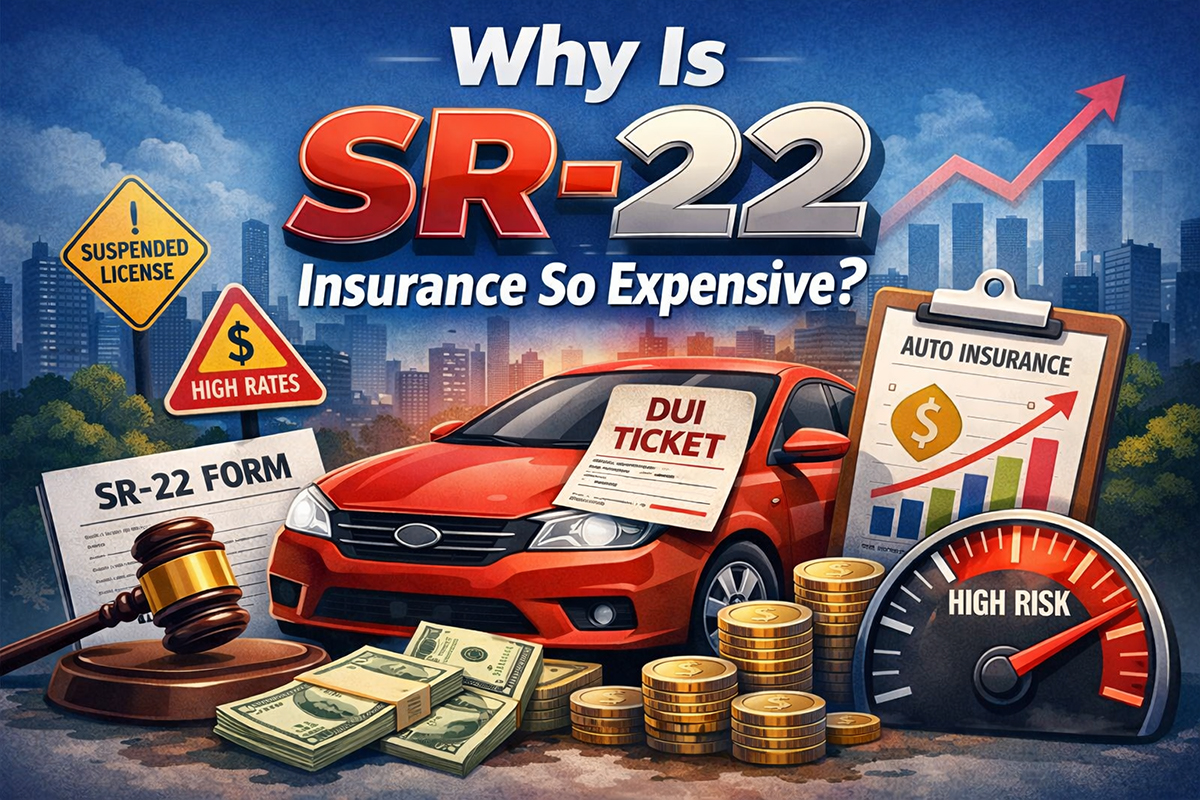
SR-22 insurance costs more because it reflects high-risk driving behavior and strict state filing requirements.
SR-22 insurance is widely known among U.S. drivers as one of the most expensive and confusing insurance requirements. Many drivers suddenly encounter it after a serious violation and are shocked by how much their auto insurance premium increases. This leads to one of the most frequently searched questions in the high-risk auto insurance market: Why is SR-22 insurance so expensive?
This article provides a comprehensive, cost-focused analysis of SR-22 insurance, explaining its pricing structure, the underlying risk model used by insurers, and real-world cost examples across different driver profiles. If you are required to carry SR-22, understanding why it costs more is the first step toward controlling and eventually reducing that cost.
Understanding SR-22: A Cost Perspective
Before analyzing pricing, it is critical to understand what SR-22 actually represents.
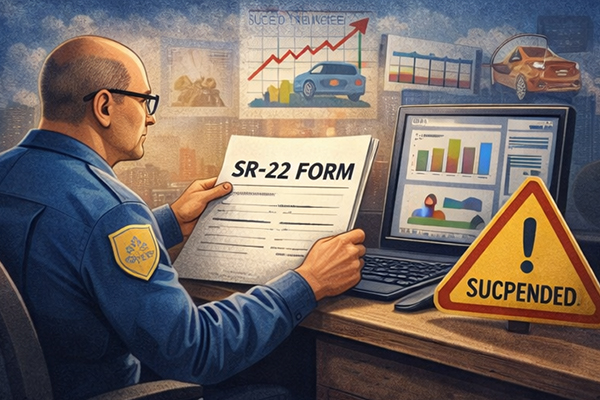
An SR-22 is not an insurance policy. It is a state-mandated certificate of financial responsibility filed by your insurance company with the Department of Motor Vehicles (DMV). Its purpose is to verify that you maintain at least the state’s minimum required liability insurance for a specified period.
From a cost standpoint, SR-22 introduces two layers of expense:
- Administrative and compliance costs
- Risk-based premium increases
While the filing fee itself is relatively small, the risk reclassification triggered by SR-22 is the primary driver of higher insurance costs.

Why Is SR-22 Insurance So Expensive?
The short answer is risk. The long answer involves insurance underwriting models, legal mandates, and long-term probability assessments.
When a driver is required to file an SR-22, insurers interpret this as a verified signal of high-risk behavior. This significantly alters how insurers price coverage. In other words, SR-22 is expensive not because of the form, but because of what the form represents.
Reasons SR-22 Insurance Costs More Than Regular Insurance
There are several structural reasons SR-22 insurance costs more than regular insurance, even when coverage limits remain the same.
1. High-Risk Driver Classification
Drivers requiring SR-22 are statistically more likely to:
- File future claims
- Be involved in accidents
- Receive additional violations
Insurers price policies based on expected future losses. Once SR-22 is required, the driver is permanently flagged (for a period of time) as high risk.
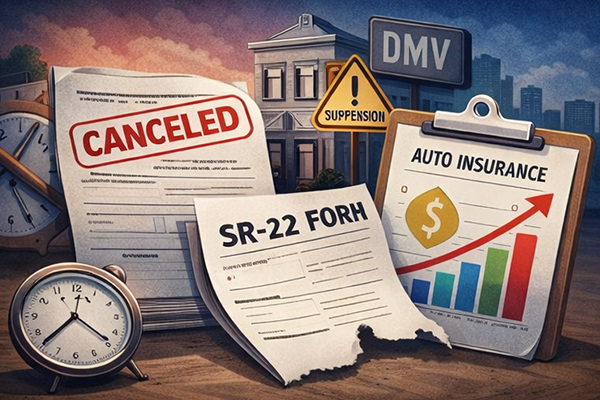
2. Mandatory Continuous Coverage
SR-22 filings require continuous insurance coverage. Any lapse, even for one day, must be reported to the DMV, often resulting in:
- License suspension
- Restarted SR-22 period
- Additional reinstatement fees
This strict compliance requirement increases administrative costs for insurers, which are passed on to the policyholder.
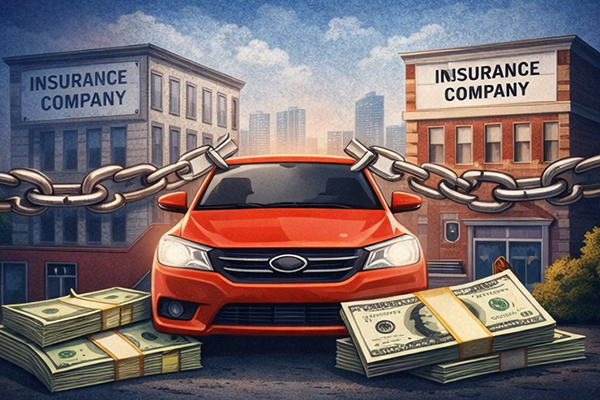
3. Limited Carrier Options
Not all insurance companies are willing to insure SR-22 drivers. Reduced competition means:
- Fewer discounts
- Less pricing flexibility
- Higher baseline premiums
These limitations are a core reason SR-22 insurance costs more than regular insurance.
Why Does SR-22 Insurance Increase Your Premium?
A common misconception is that the SR-22 filing itself raises rates. In reality, the filing is merely a consequence of prior violations.
Risk-Based Pricing Explained
Insurance premiums are calculated using predictive analytics. When SR-22 is required, insurers adjust pricing based on:
- Violation severity
- Frequency of infractions
- Recency of offenses
This explains why SR-22 insurance increases your premium even if you have not filed any claims.
What Makes SR-22 Insurance Expensive After a DUI?
Among all violations, DUI-related SR-22 filings are consistently the most expensive.
DUI as a Maximum-Risk Indicator
From an actuarial standpoint, DUI violations carry:
- Higher accident probability
- Greater claim severity
- Increased legal exposure
As a result, what makes SR-22 insurance expensive after a DUI is not the form itself, but the extreme risk multiplier applied to DUI drivers.
In many states, a DUI combined with SR-22 can double or triple a driver’s insurance premium.

Is SR-22 Insurance More Expensive for High-Risk Drivers?
Yes — and this is by design.
Compounding Risk Factors
SR-22 drivers are often affected by multiple overlapping risk factors:
- Poor driving history
- Low credit score (in many states)
- Prior insurance lapses
- Younger age demographics
This explains why SR-22 insurance is more expensive for high-risk drivers compared to those with a single minor violation.
Each additional risk variable compounds the final premium.
Factors That Affect SR-22 Insurance Cost
Understanding the factors that affect SR-22 insurance cost allows drivers to anticipate and manage expenses more effectively.
Key Cost Factors
| Factor | Impact on Cost |
| Type of violation (DUI, reckless driving, no insurance) | Very High |
| State requirements | High |
| Age and driving experience | Medium |
| Credit history (where allowed) | Medium |
| Vehicle type | Medium |
| Coverage limits | Medium |
| Policy type (Owner vs Non-Owner SR-22) | High |
These factors interact dynamically rather than independently, which is why SR-22 pricing varies so widely between individuals.

Why SR-22 Filing Raises Auto Insurance Rates
From an insurer’s perspective, SR-22 filing raises auto insurance rates because it creates legal exposure.
Legal and Compliance Risk
Insurers filing SR-22 must:
- Monitor policy status continuously
- Notify the DMV of cancellations
- Ensure state compliance accuracy
Any administrative failure could result in regulatory penalties. This compliance burden is another reason why SR-22 filing raises auto insurance rates across the board.

Real-World Cost Examples: SR-22 Insurance by Scenario
The following table shows average annual SR-22 insurance costs based on common scenarios in the U.S. These figures are illustrative averages and vary by state.
SR-22 Insurance Cost Comparison Table (Annual Averages)
| Driver Profile | Without SR-22 | With SR-22 | Cost Increase |
| Clean record | $1,200 | N/A | N/A |
| Speeding violations | $1,500 | $2,200 | +47% |
| Driving uninsured | $1,600 | $2,500 | +56% |
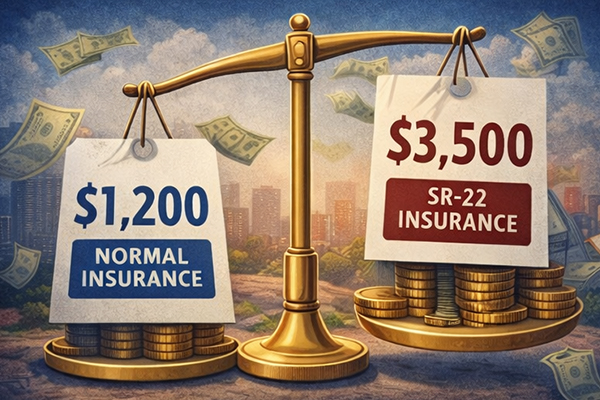
| DUI (first offense) | $1,800 | $3,500 | +94% |
| Multiple violations | $2,000 | $4,200 | +110% |
| Non-owner SR-22 | N/A | $900–$1,400 | Variable |
This data helps answer the critical question: How much more expensive is SR-22 insurance?
In many cases, the increase ranges from 40% to over 100%, depending on risk severity.
Owner vs Non-Owner SR-22: Cost Differences
Non-Owner SR-22 as a Cost-Control Strategy
Drivers without a vehicle may qualify for non-owner SR-22 insurance, which is typically cheaper because:
- It excludes vehicle damage coverage
- It reduces exposure frequency
- It satisfies legal requirements at lower cost
For cost-focused drivers, non-owner SR-22 can be a strategic alternative when eligible.
How Long Do High SR-22 Costs Last?
Most states require SR-22 for 3 years, but some violations may extend this period.
Cost Over Time
- Year 1: Highest premium
- Year 2: Moderate decrease with clean record
- Year 3: Gradual normalization
- Post-SR-22: Eligibility for standard rates returns
Maintaining a violation-free record is the most effective way to reduce long-term SR-22 expenses.
How to Reduce SR-22 Insurance Costs
Although SR-22 is expensive, it is not permanently expensive.
Cost Reduction Strategies
- Compare SR-22-friendly insurers
- Choose minimum required coverage (where appropriate)
- Improve credit score (if applicable)
- Avoid policy lapses
- Consider non-owner SR-22 if eligible
- Complete court-approved driving programs
These steps directly influence the pricing factors discussed earlier.
Final Thoughts: SR-22 Cost Is About Risk, Not Punishment
SR-22 insurance is expensive because it reflects quantified risk, not arbitrary penalties. Understanding why SR-22 insurance is so expensive allows drivers to make informed decisions, plan financially, and take steps toward restoring affordable coverage.
For drivers navigating SR-22 requirements, cost transparency is essential. With the right strategy and consistent compliance, even high SR-22 premiums can be reduced over time.
About the Author