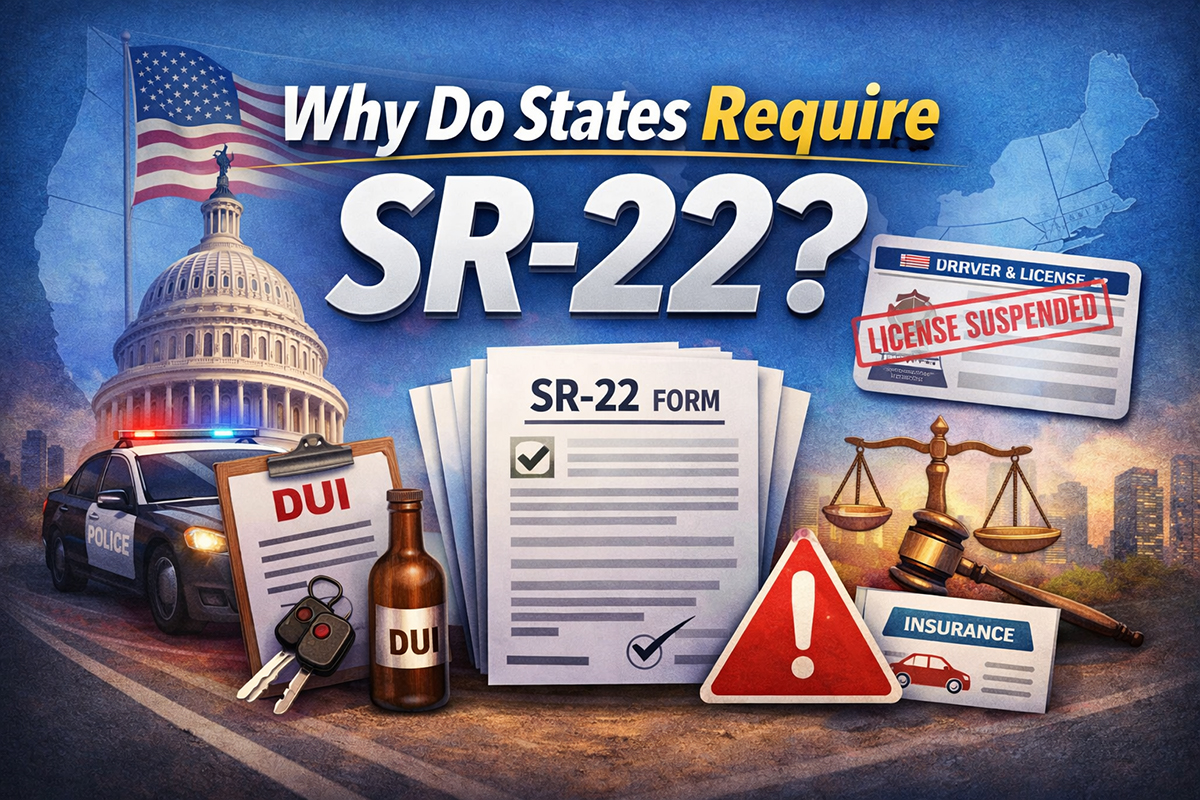
SR-22 explained: why U.S. states require SR-22 filings for certain drivers
Introduction: Understanding SR-22 in the U.S. Auto Insurance System
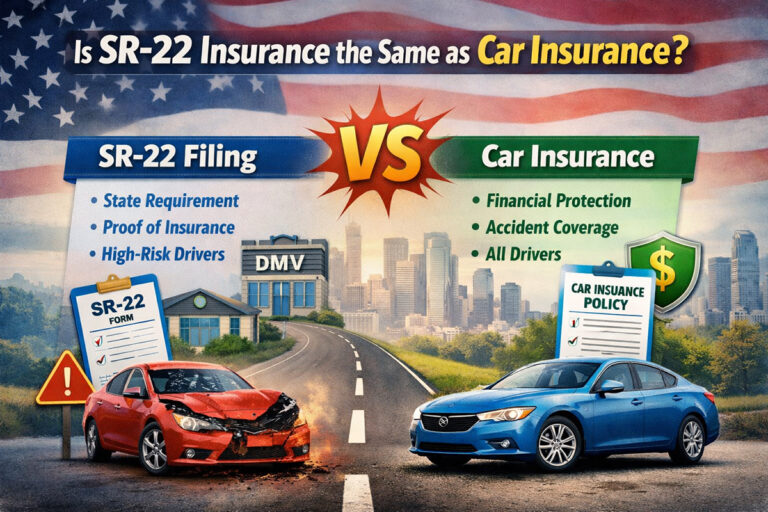
SR-22 is one of the most misunderstood terms in the American auto insurance landscape. Many drivers incorrectly assume that SR-22 is a type of insurance policy, when in fact it is a state-mandated financial responsibility filing required for certain high-risk drivers.
To understand why do states require SR-22, it is necessary to examine how U.S. traffic law, insurance regulation, and public safety intersect. SR-22 exists not to punish drivers, but to protect the public and ensure that drivers who have demonstrated risky behavior remain financially accountable.
This article, part of our SR-22 Basics series, provides a comprehensive explanation of:
- What SR-22 is and how it works
- Why states require SR-22 insurance filings
- What triggers a state SR-22 requirement
- Why SR-22 is required after license suspension or DUI
- Why high-risk drivers need SR-22 insurance
- The broader purpose of SR-22 insurance requirements across the United States

What Is SR-22?
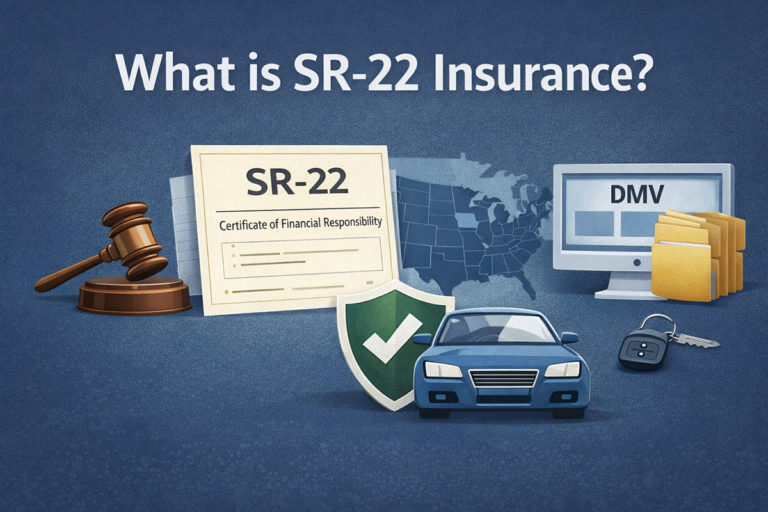
An SR-22 is a certificate of financial responsibility filed by an insurance company with a state’s Department of Motor Vehicles (DMV) or equivalent agency.
It confirms that a driver:
Carries at least the state minimum auto liability insurance, and
Will maintain continuous coverage for a specified period (usually 3 years)
Contrary to common belief, SR-22 is not insurance. It is a regulatory filing attached to an auto insurance policy.
Key Characteristics of SR-22
Filed electronically by the insurer
Monitored by the state DMV
Automatically reported if coverage lapses
Required only for certain drivers
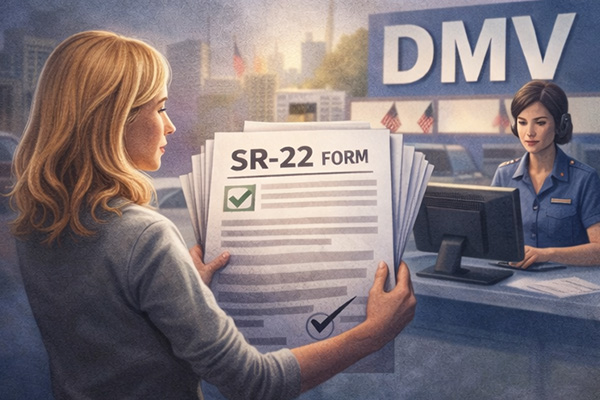
This leads to an important question: Why is SR-22 required by the DMV?
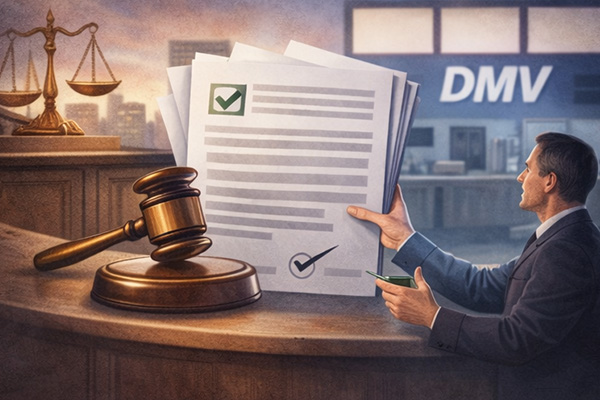
Why Is SR-22 Required by the DMV?
State DMVs are responsible for ensuring that licensed drivers meet minimum legal standards for road use. One of those standards is financial responsibility—the ability to pay for damages or injuries caused in an accident.
When a driver commits serious traffic violations, the DMV considers them a higher-than-average risk. In these cases, standard proof of insurance is not considered sufficient.
The reason states require SR-22 filing is that it creates:
- A direct compliance link between insurers and the DMV
- Continuous monitoring of insurance status
- Immediate notification if coverage is canceled or lapses
In short, SR-22 allows the DMV to actively enforce insurance compliance, rather than relying on self-reporting by drivers.
Purpose of SR-22 Insurance Requirements
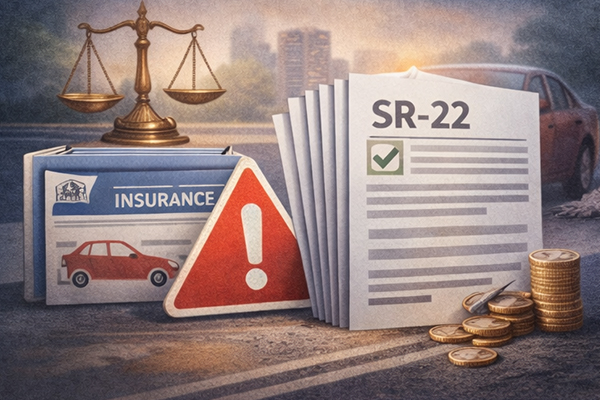
The purpose of SR-22 insurance requirements can be summarized in three core objectives:
1. Protecting the Public
SR-22 ensures that drivers who have previously demonstrated unsafe behavior remain insured, reducing the risk of uncompensated losses for accident victims.
2. Reducing Repeat Offenses
By requiring continuous coverage and monitoring, SR-22 discourages:
- Driving without insurance
- Driving on a suspended license
- Repeat DUI or reckless driving offenses
3. Encouraging Responsible Driving Behavior
Drivers subject to SR-22 typically face higher premiums. This financial incentive encourages safer driving habits over time.

Why Do States Require SR-22 Insurance?
So, why do states require SR-22 insurance instead of simply suspending licenses permanently?
The answer lies in balance. States aim to:
- Maintain public safety
- Allow drivers a path back to legal driving
- Avoid unnecessary economic hardship
SR-22 functions as a conditional reinstatement tool. It allows high-risk drivers to regain or retain driving privileges while ensuring accountability.
This system benefits:
- Accident victims
- Law enforcement agencies
- State insurance regulators
- The broader driving public
What Triggers a State SR-22 Requirement?
One of the most common questions drivers ask is: What triggers a state SR-22 requirement?
Although laws vary slightly by state, SR-22 is typically required after serious violations, including:
- Driving under the influence (DUI / DWI)
- Driving without insurance
- Multiple at-fault accidents
- Reckless or aggressive driving
- Driving on a suspended or revoked license
- Excessive points on a driving record
These violations signal to the state that a driver poses a heightened financial and safety risk.
Why Do States Mandate SR-22 After DUI?
Among all violations, DUI is the most common reason states impose SR-22. So, why do states mandate SR-22 after DUI?
DUI offenses statistically correlate with:
- Higher accident rates
- Severe injuries and fatalities
- Repeat offenses
From a regulatory perspective, a DUI conviction demonstrates:
- Impaired judgment
- Increased likelihood of future claims
- Elevated risk to public safety
SR-22 ensures that a driver convicted of DUI:
- Maintains continuous liability coverage
- Cannot legally drive uninsured
- Is financially responsible for potential damages

Why SR-22 Is Required After License Suspension
Another frequent scenario involves license suspension. Why SR-22 is required after license suspension depends on the underlying cause of that suspension.
Common suspension reasons include:
- Failure to maintain insurance
- Accumulation of points
- Serious moving violations
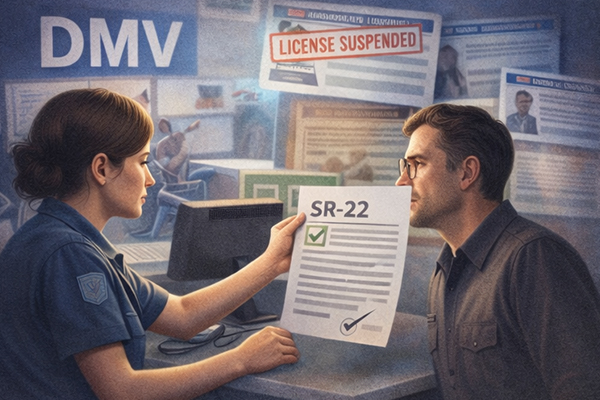
When reinstating driving privileges, states use SR-22 as a safeguard mechanism, ensuring that the driver does not immediately return to uninsured or illegal driving behavior.
Why High-Risk Drivers Need SR-22 Insurance
Insurance companies classify drivers based on risk. Drivers required to file SR-22 fall into the high-risk category.
So, why high-risk drivers need SR-22 insurance comes down to risk management:
- Higher probability of claims
- Greater potential financial loss
- Increased regulatory oversight
SR-22 does not eliminate risk, but it ensures that risk is insured and monitored, which stabilizes the overall insurance system.

How SR-22 Works in Practice
Once required, the process typically follows these steps:
- Driver purchases an eligible auto insurance policy
- Insurer files SR-22 with the state DMV
- DMV reinstates or maintains driving privileges
- Insurer monitors policy status continuously
- Any lapse triggers immediate DMV notification
Failure to maintain SR-22 usually results in:
- License re-suspension
- Extended SR-22 requirement period
- Additional fines or penalties
Real Data: SR-22 Requirements and High-Risk Driving Trends
Below is a data table summarizing common SR-22 triggers and average requirement durations, based on aggregated state DMV and insurance industry reporting trends.
| Violation Type | Percentage of SR-22 Cases | Typical SR-22 Duration |
| DUI / DWI | ~45% | 3–5 years |
| Driving Without Insurance | ~25% | 2–3 years |
| License Suspension | ~15% | 2–3 years |
| Reckless Driving | ~10% | 3 years |
| Multiple At-Fault Accidents | ~5% | 2–3 years |
Interpretation:
DUI-related offenses account for nearly half of all SR-22 filings nationwide, reinforcing why states prioritize SR-22 enforcement in alcohol-related cases.
State-Level Differences in SR-22 Enforcement
While SR-22 is widely used, not all states require it. Most SR-22 requirements are concentrated in states with:
- Large driving populations
- High accident rates
- Strict insurance compliance laws
Each state determines:
- SR-22 duration
- Minimum coverage limits
- Penalties for non-compliance
Despite these differences, the underlying rationale remains consistent nationwide.
Conclusion: The Role of SR-22 in Public Safety and Insurance Regulation
In summary, SR-22 is not a punishment—it is a regulatory tool designed to balance public safety with individual mobility.
To recap:
- Why do states require SR-22 insurance? To enforce financial responsibility among high-risk drivers
- Why is SR-22 required by the DMV? To enable real-time monitoring of insurance compliance
- Why do states mandate SR-22 after DUI or suspension? To reduce repeat offenses and protect the public
The purpose of SR-22 insurance requirements is ultimately preventive, not punitive. By ensuring continuous coverage, states reduce uninsured driving, stabilize insurance markets, and create a structured path for drivers to regain legal driving status.
For anyone navigating SR-22 requirements, understanding the system is the first step toward compliance—and eventually, returning to standard auto insurance.
About the Author