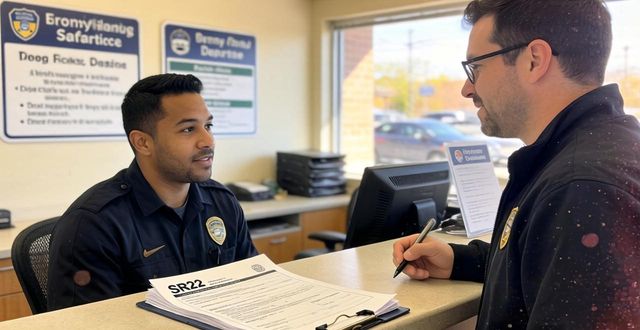
So you got the letter. That official notice saying you need an SR22 filing. Your stomach drops. “What now?” “How much will this cost?” “Is my driving life over?” Take a deep breath. It’s not the end of the road. This guide is for anyone feeling lost, stressed, or just plain confused about SR22 insurance. We’ll walk through it in plain English, no jargon.
What is SR22 insurance and why do I need it?
First, let’s clear this up. SR22 is not actual insurance. It’s a certificate. A form. Your insurance company files it with your state to prove you have the minimum required liability coverage. Think of it as a “proof of financial responsibility” badge that the DMV makes you wear. Why? Usually because of a serious driving violation. A DUI or DWI is the most common trigger. But major at-fault accidents, driving without insurance, or too many speeding tickets can also lead to an SR22 requirement. The state just needs reassurance you’re covered before they give your license back.
How to get SR22 insurance with a bad record
This is the scary part for most people. Your record took a hit. Rates will be higher. But it’s not impossible. You have to shop around. Don’t just call your current company. Start with companies known for high-risk coverage: The General, Dairyland, Progressive. Be honest about your violation upfront. They’ll find out anyway. The process is simple: you buy a standard auto insurance policy, then request the SR22 filing. They handle the paperwork with the state for a small fee (usually $15-$50). The big cost is the premium hike itself.

What’s the cheapest SR22 insurance company?
There’s no single answer. It depends wildly on your state, your exact violation, age, car… everything. In California, a “cheapest sr22 insurance” search might lead to different companies than in Texas. Online comparison tools are your best friend here. Get at least three quotes. Sometimes, non-standard insurers offer the best rates for high-risk drivers. Don’t forget to ask about discounts you might still qualify for!
How long do I need an SR22 filing?
The clock starts ticking from the date of your violation or license suspension,not when you file. Most states require it for 3 years. But some, like Virginia, can require it for up to 5. The crucial part? You must maintain continuous coverage. If your policy lapses or cancels, your insurer is required by law to notify the state. That could lead to an immediate license suspension all over again. Set up autopay. Mark the calendar. Don’t risk it.
It feels overwhelming now. The paperwork, the costs, the hassle. But it’s a step back on the road. A fresh start. Be a safe driver, keep that SR22 current, and this will eventually be in your rearview mirror. You got this.
About the Author