You’re three hours from the nearest traffic light.
Your phone’s dead. No signal.
And your SR22 just expired last week.
How screwed are you? Let me tell you from experience. Really screwed.
But here’s the thing nobody tells you about desert driving and SR22.
Most of the stuff online is written for city people.
They don’t get what it’s like when your “local agent” is 200 miles away.
When the nearest tow truck is tomorrow afternoon. Maybe.
So, What Exactly Is SR22?
If you’re new to this mess, let me explain.
SR22 isn’t actually insurance. I know, weird right?
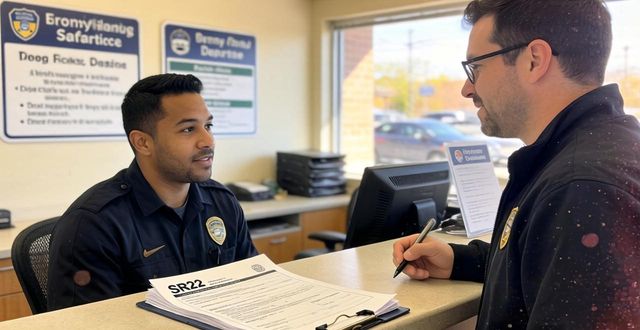
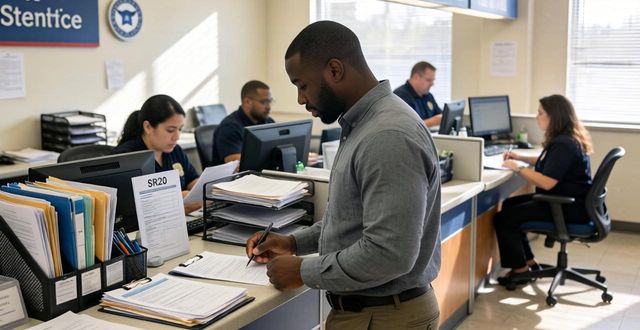
It’s a certificate. A form your insurance company files with your state DMV.
Think of it as the state watching you. Closely.
They want proof you’re carrying at least the minimum liability coverage after you messed up.
DUI, driving without insurance, too many tickets—any of that sound familiar?
The SR22 filing itself? Cheap. Like $15 to $50 one-time fee.
But your actual insurance premiums? Yeah, those go way up.
Because now you’re labeled “high-risk.” The insurers basically think you’re gonna crash tomorrow.
Here’s the part that hurts: you usually need to keep this thing for 2 to 3 years. Sometimes 5 for a DUI.
And if your coverage lapses even for one day? The clock resets.
That’s right. You’re back to square one.
The Desert Problem Nobody Talks About
Living in the desert changes everything.
First problem: no local agents.
You call the big national companies and they say “visit our local office.”
Except there isn’t one. Not within 100 miles. Not even 200.
So you’re stuck doing everything online or over the phone. Which works—mostly.
But when something goes wrong? Good luck getting a real person.
Second problem: the roads out here are brutal.
Heat destroys tires. Desert roads eat your suspension. Wildlife jumps out at night.
And roadside assistance? Hah. The fine print says “within 20 miles of major highways.”
Nobody tells you that part until you’re calling them at 2 AM from a dirt road.
Does SR22 Cover You in Remote Areas?
Here’s the truth. Yes and no.
SR22 itself isn’t about where you drive. It’s about proving you HAVE insurance.
Your actual policy—the one with the SR22 attached—that’s what covers you.
But some insurers have “service area limitations” in the contract.
I learned this the hard way. On a Thursday. 90 miles from the nearest paved road.
My “nationwide coverage” apparently didn’t cover that specific desert county.
The agent on the phone said “we don’t have tow providers in that ZIP code.”
What do you even say to that?
You need to check for something called “rural service radius” before you sign.
Most people never ask. Most people don’t live where we do.
Cost: Rural vs. City
Okay, here’s the one piece of good news.
Urban areas actually pay MORE than rural places.
I know, surprising right?
Cities have more traffic. More accidents. More theft. More claims.
In the desert? Fewer cars. Fewer crashes. Lower crime rates. Statistically safer for insurers.
One source says drivers in cities typically pay higher premiums than those in rural areas because of more congested traffic and higher risk of theft.
So your actual premium might be lower just because of where you park your car at night.
Doesn’t help much with the SR22 markup though. Let’s be honest.
Arizona, Nevada, California—these desert states all have different rules.
Rural vs. urban divides actually matter for your rates.
How to Actually Get SR22 in the Desert
Okay, practical advice. Here’s what works.
First. Do everything online.
Find insurers that specialize in high-risk drivers and SR22 filings.
Progressive, GEICO, State Farm, The General, Dairyland—these are names that keep coming up.
But don’t just pick the first quote.
Compare at least three companies. I’ve seen the same driver get quoted $600 difference for identical coverage.
Second. Ask about the rural service thing.
Call them before you buy. Say “I live in a remote desert area. What’s your policy on roadside assistance AND claim service out here?”
If they hesitate? Move on.
Third. Always choose minimum liability coverage.
I know, it’s tempting to add extras. But for now? While you’re paying off that SR22 markup?
Stick to minimum state requirements.
You can upgrade later. After your filing period ends.
One More Thing About Coverage Gaps
You cannot let this policy lapse.
I’m serious. I cannot emphasize this enough.
If your insurance expires or gets canceled during your SR22 period, the insurer HAS to tell the DMV.
Then your license gets suspended again.
Then you’re back to square one with the filing requirement.
Payment. Late fees. Waiting periods.
All of it,starting over.
If you live in the desert–with the mail delays and spotty internet–set automatic payments.
And then set a calendar reminder to CHECK that the payment actually went through.
I’ve had “autopay” fail because my bank flagged the transaction as suspicious.
My insurance almost lapsed while I was sleeping.
Not worth the risk.
What About Non-Owner SR22?
Don’t own a car? You still might need SR22.
Non-owner SR22 insurance is for exactly this situation.
Covers you when you borrow or rent a vehicle. Usually cheaper than standard insurance.
This is perfect for desert town life where everyone shares vehicles anyway.
Ask your insurer about this option. Might save you serious money.
Bottom Line
Can SR22 work in the desert? Yes. But you have to work harder.
No local agent holding your hand. No quick fix when something breaks.
But it’s doable. People do it every day.
The key is finding the RIGHT insurer early. The one that actually understands rural life.
Don’t just type “SR22 insurance near me” into Google and pick the first result.
Because “near you” in the desert means something very different than it means in the city.
Stay safe out there. Keep that coverage active.
And maybe keep a spare tire in your trunk. Just saying.
Learn more about state-specific SR22 requirements for Arizona, Nevada, and California before you buy.
Always shop around and don’t just settle for the first quote offered.
The desert doesn’t forgive careless drivers. Neither will your state DMV.
About the Author