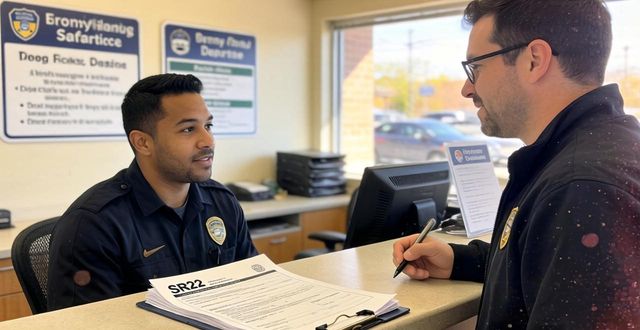
I remember the pit in my stomach when I saw the letter. “SR-22 required.” Staring at the DMV notice, my first thought was, great, another bill I can’t afford.
The jail time was behind me, but the punishment wasn’t over. The court fines were paid. But now? I had to beg some insurance carrier to take me back. And charge me twice as much for the privilege.
So, here’s what I’ve learned the hard way.
your biggest misunderstanding about sr22
Okay, get this straight. SR-22 isn’t actually insurance. It’s this stupid one-page form your insurance company files with the DMV. Proof that you’re not totally irresponsible behind the wheel anymore.
The filing fee itself is dirt cheap. Usually fifteen to fifty bucks, one-time deal. But because you’ve got a DWI on your record now, the actual insurance premium? Yeah, that’s gonna sting. Bad.
the actual costs that’ll make you wince
Let’s talk numbers because that’s what you really wanna know. After a DWI, you’re stuck in high-risk land. And high-risk means high prices.
Look, I found a breakdown online from someone who crunched the data. Annual premiums after a DUI are landing somewhere between $1,800 and $5,600 for liability-only coverage in 2026. The average sits around three grand a year. Some states like Idaho are cheaper, others like California? $5,500 plus.
How’s that for a slap in the face?
the $15 filing fee that fools everyone
Here’s the trick. The SR-22 form only costs like twenty-five bucks to file. But because the insurance company has to notify the DMV if you so much as sneeze on your policy, they jack up your rates like crazy. Your premium can skyrocket by 50% to 300% depending on where you live and what you did.
One USAA driver with a DUI was paying $1,387 per year. Someone else with just a suspended license was paying $980. See the difference?
a loophole most people miss
If you don’t own a car right now? There’s a cheaper way. Non-owner SR-22 insurance covers you when you borrow or rent a vehicle. It’s usually way less than a standard owner policy.
I found non-owner polices averaging around $646 annually after a DWI. That’s not cheap, but compared to full coverage on a car you don’t even own? It’s a lifesaver.
the three-year countdown

Most states require you to keep that SR-22 active for three years. But don’t think you can slack off. If your policy lapses even for a day? Your insurance company is legally required to notify the DMV immediately. And guess what happens then? License suspension. Again. And the three-year clock starts all over.
I know a guy who lost his coverage for two weeks. Just two weeks. He had to file everything again. Five more years of higher rates.
shopping for sr22-friendly insurers
Not every insurer offers SR-22 filings. And if your current company finds out about your DWI, they might drop you completely. Great, right?
You need to shop around with high-risk specialists. Progressive’s premium increase is only about 3% after an SR-22, GEICO jumps about 10% but offers good discounts. The General specializes in high-risk drivers, although their customer service complaints are… well, let’s just say read the reviews first.
Just find somebody who will file it electronically. That speeds things up.
the mistake that’ll crush you
Here’s the biggest trap. People think, “I’ll just get the cheapest policy possible to meet the requirement.” Then six months later, they forget to renew. Or they let it lapse trying to save money.
Don’t do that. Seriously. Continuous coverage is everything. Set up auto-pay. Mark your calendar. Do whatever you have to do. Because the second that SR-22 lapses, you’re back at square one with the DMV. And that suspension notice in the mail? It’ll show up faster than you think.
states where you’ll need it longer
Three years is typical. But if you’re in a stricter state or you’ve got multiple offenses? Could be five years. Some serious DUI cases even require an FR-44 instead of an SR-22, which means higher liability limits and even more expensive premiums.
Check with your DMV. Don’t assume you’re all set just because three years have passed. Confirm the date in writing.
yes, you can eventually get out of it
After your required period ends, contact your insurance company. Have them remove the SR-22 filing. Your rates should start to drop after that. Not overnight, mind you. The DWI stays on your record for years. But at least you won’t be paying the high-risk penalty forever.
Till then? Drive like a saint. Take that defensive driving course if it helps. Keep your record spotless.
The whole SR-22 ordeal feels like a nightmare when you’re in the middle of it. But millions of people have gone through this. You’ll make it to the other side eventually. Just don’t let that policy lapse. Whatever you do.
Not even for a day.
About the Author