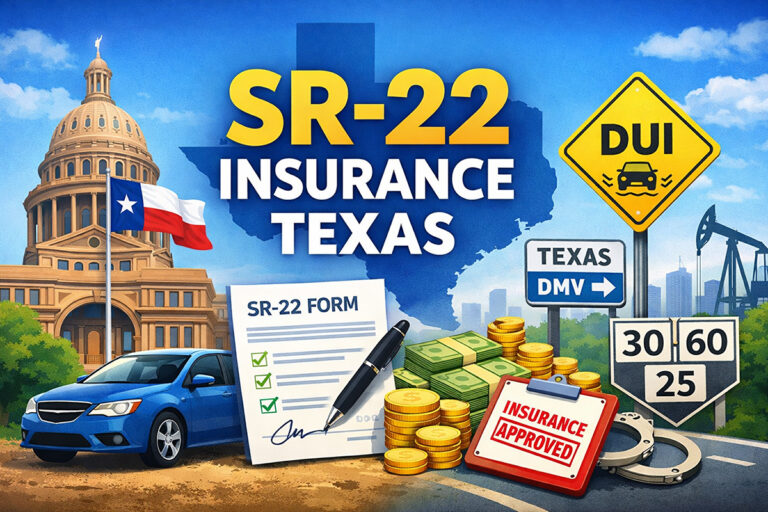
Texas drivers can reduce SR-22 insurance costs with clean driving and smart policy adjustments.
Introduction
If you’ve been ordered to file an SR-22 in Texas, you are officially classified as a high-risk driver.
In Texas, SR-22 requirements typically follow:
- DUI / DWI convictions
- Driving without insurance
- Serious traffic violations
- License suspension or revocation
An SR-22 is not insurance itself.
It is a certificate proving you meet Texas minimum liability requirements.
However, the insurance impact can last years beyond the filing period.
This 2026 guide explains:
- Texas SR-22 requirements
- How long it lasts
- Average costs
- Cheapest insurance companies
- License reinstatement steps
- How to reduce rates faster
What Is an SR-22 in Texas?
In Texas, an SR-22 is filed with the
Texas Department of Public Safety.
Your insurance company files it electronically to prove financial responsibility.
It verifies you carry the required liability coverage.
If your policy cancels, the insurer immediately notifies the state.
That can trigger another suspension.
Texas Minimum Liability Requirements (2026)
Texas requires:
- $30,000 bodily injury per person
- $60,000 bodily injury per accident
- $25,000 property damage
Often written as 30/60/25.
These limits are higher than California’s minimums — but still may not be enough for serious accidents.
Many drivers upgrade to:
- 50/100/50
- 100/300/100
The price difference is often modest compared to risk exposure.
How Long Is SR-22 Required in Texas?
Typically:
- 2 years from conviction date
However:
- Some DUI-related cases may extend to 3 years
- Court orders may override standard duration
Always confirm your exact compliance date with DPS.
Do not assume the clock starts when you buy insurance.
It usually starts from conviction or reinstatement date.
Average SR-22 Insurance Cost in Texas (2026)
Texas is moderately expensive for high-risk insurance — but cheaper than California on average.
Estimated Annual Premiums
| Scenario | Avg. Annual Cost |
|---|---|
| Clean Driver | $1,700 |
| After DWI | $3,200 – $4,800 |
| After No Insurance | $2,400 – $3,200 |
| Multiple Violations | $4,500+ |
SR-22 filing fee: $15–$50 one-time per term.
The violation surcharge is what drives the increase — not the filing itself.
Cheapest SR-22 Insurance Companies in Texas
Rates vary by ZIP code (Houston vs Dallas vs rural counties), but companies often competitive for high-risk drivers include:
- Progressive
- GEICO
- Dairyland Insurance
- The General
Independent agents sometimes access regional carriers with better pricing for DWI cases.
Shopping is mandatory.
Steps to Reinstate Your License in Texas
- Complete court requirements
- Pay reinstatement fees
- Purchase qualifying liability insurance
- Have insurer file SR-22 with DPS
- Confirm compliance status online
Failure to maintain coverage restarts penalties.
Non-Owner SR-22 in Texas
If you don’t own a vehicle but must file SR-22:
A non-owner liability policy is typically required.
Average cost:
$600 – $1,300 per year depending on violation severity.
It covers liability when driving vehicles you do not own.
Texas DWI: Additional Financial Impact
DWI in Texas can involve:
- Fines up to $2,000+ (first offense)
- Annual state surcharges (varies by case)
- Possible ignition interlock requirement
- Alcohol education programs
Total 3-year financial impact can exceed $12,000 – $18,000.
Insurance is only one part of the cost.
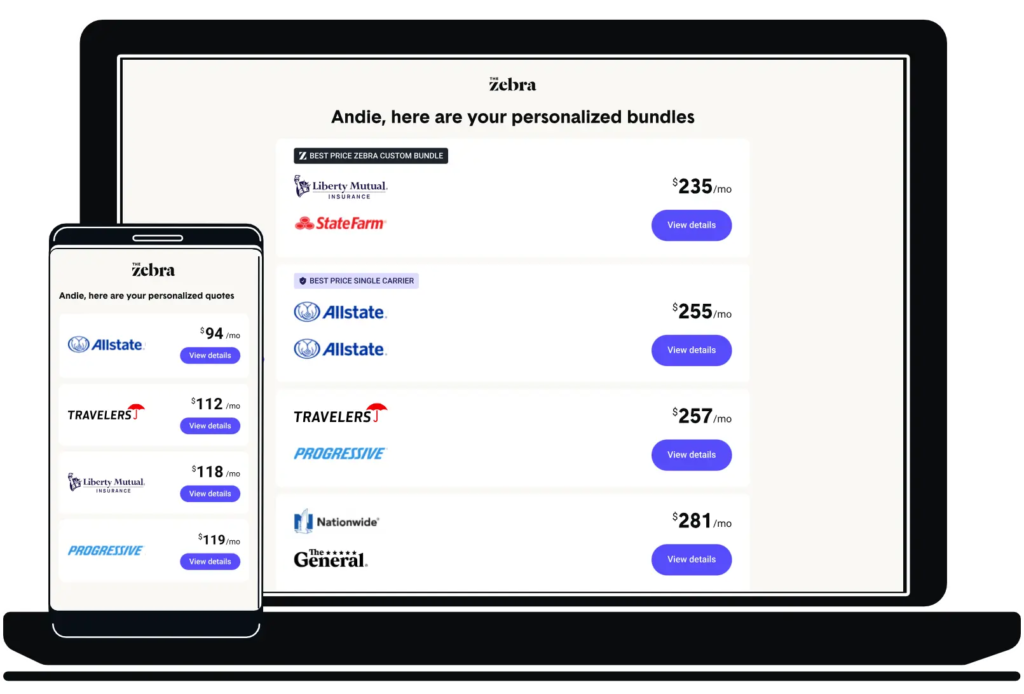
How to Lower SR-22 Insurance in Texas
Unlike California, Texas allows credit-based insurance scoring.
That means improving credit can directly lower premiums.
Improve Credit Profile
- Reduce credit utilization
- Avoid late payments
- Keep older accounts open
Can reduce rates 5–20% over time.
Increase Deductibles
Raising from $500 to $1,000 may reduce premium 5–10%.
Bundle Policies
Auto + renters/home discounts often range 5–15%.
Use Telematics Programs
Safe driving tracking programs can reduce rates 5–30%.
Maintain Continuous Coverage
Gaps significantly increase risk classification.
SR-22 Lapse Consequences in Texas
If your policy cancels:
- Insurer notifies DPS
- License suspension may be reinstated
- Reinstatement fees apply
- Filing period may restart
Never allow a lapse — even one day.
Rate Recovery Timeline in Texas
| Years Since Violation | Premium Outlook |
|---|---|
| Year 1 | Highest surcharge |
| Year 2 | Slight improvement |
| Year 3 | Moderate drop |
| Year 4–5 | Strong recovery |
| Year 6+ | Near standard tier |
Time + clean record is the most powerful discount tool.
Texas vs California: Key Differences
| Factor | Texas | California |
|---|---|---|
| Minimum Liability | 30/60/25 | 15/30/5 |
| Credit Used? | Yes | No |
| Typical SR-22 Duration | 2 years | 3 years |
| Avg. DWI Premium | Lower | Higher |
Understanding state-specific rules is essential.
What If You Move Out of Texas?
You may still be required to:
- Maintain Texas SR-22 filing
- Carry compliant coverage in your new state
Interstate compliance can be complicated.
Confirm before canceling.
Final Thoughts
SR-22 insurance in Texas is manageable — but requires planning.
Key takeaways:
- Filing usually lasts 2 years
- DWI significantly increases premiums
- Credit matters in Texas
- Continuous coverage is critical
- Shopping annually reduces costs
SR-22 is temporary.
High-risk classification is not permanent — but recovery takes structure.
About the Author