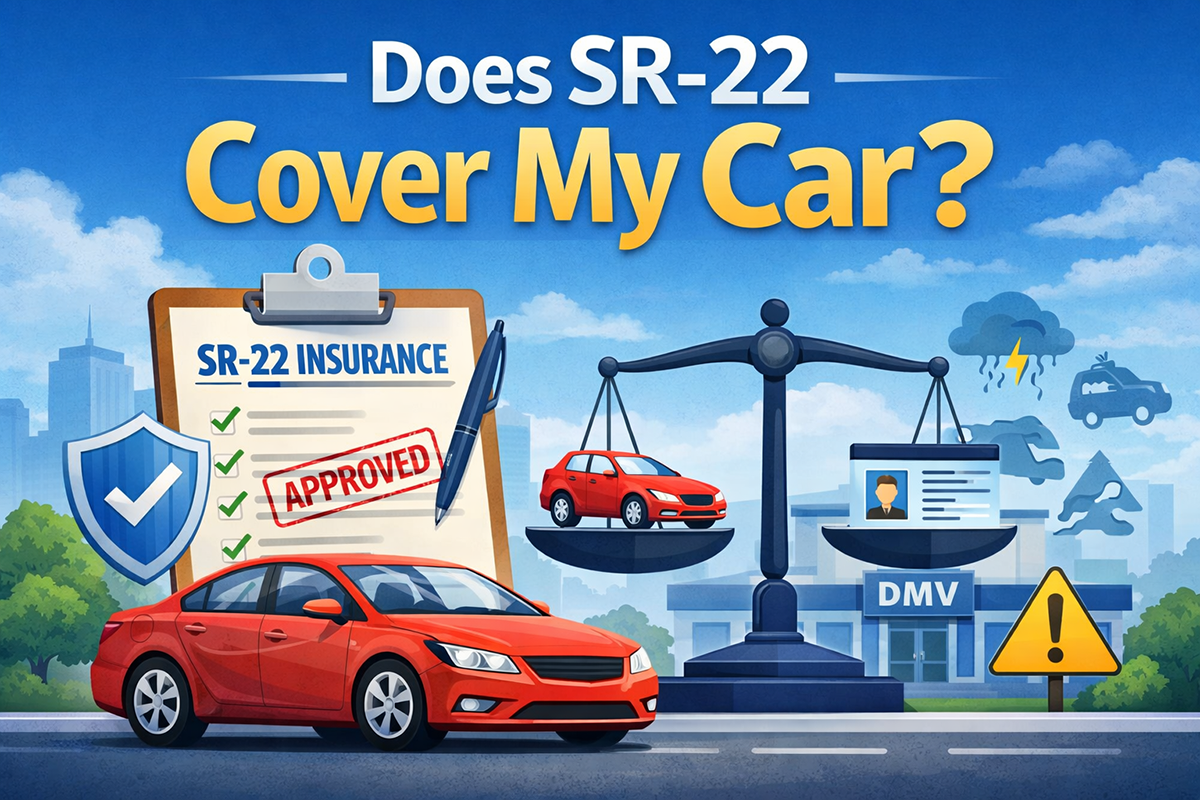
Understanding whether SR-22 covers your car and how SR-22 insurance requirements work
Introduction: Understanding SR-22 and Why This Question Matters
If you’ve been required to file an SR-22, you’re likely dealing with a serious driving-related issue such as a DUI, driving without insurance, or repeated traffic violations. One of the most common and confusing questions drivers ask is: “Does SR-22 cover my car?”
This question is especially important because misunderstanding SR-22 can lead to lapses in coverage, license suspension, fines, or even restarting your SR-22 filing period. In this Help guide, we’ll break down exactly what SR-22 is, what it does and does not cover, and how it interacts with your auto insurance policy—using clear explanations, real data, and practical guidance tailored for U.S. drivers.
Throughout this article, SR-22 will remain the core focus, and we will directly address common search questions such as Does SR-22 insurance cover my car, Does SR-22 cover the car or just the driver, and SR-22 car coverage vs regular auto insurance—all in a way that’s accurate, actionable, and SEO-friendly.
What Is SR-22 Insurance? (And What It Is Not)
Before answering whether your car is covered, it’s critical to clarify a widespread misconception.
SR-22 Is Not an Insurance Policy
SR-22 is not a type of car insurance. Instead, it is a certificate of financial responsibility that your insurance company files with your state’s Department of Motor Vehicles (DMV).
The SR-22 proves that:
- You carry at least the state-required minimum liability insurance
- Your insurer will notify the DMV if your policy is canceled, lapses, or expires
So when people ask What does SR-22 insurance actually cover, the correct response starts here: SR-22 itself provides no coverage at all.
Does SR-22 Insurance Cover My Car?
Short answer: No, SR-22 does not directly cover your car.
However, the auto insurance policy attached to your SR-22 filing may cover your car, depending on the type of policy you purchase.
Why This Confusion Exists
The confusion stems from the fact that:
- You cannot file an SR-22 without having auto insurance
- The SR-22 is closely tied to your insurance policy
- Many insurers and websites loosely refer to it as “SR-22 insurance”
But legally and practically, SR-22 is only a filing, not coverage.
Does SR-22 Provide Coverage for My Vehicle?
To determine whether your vehicle is covered, you must look at your underlying insurance policy, not the SR-22 itself.
Here’s how it works:
- SR-22 → Proof filed with the DMV
- Insurance policy → Provides actual coverage
If your policy includes:
- Liability coverage → Covers damage or injuries you cause to others
- Collision coverage → Covers damage to your car
- Comprehensive coverage → Covers theft, vandalism, weather damage
Then your vehicle is covered because of the policy, not because of SR-22.
So when asking Does SR-22 provide coverage for my vehicle, the accurate answer is:
Only indirectly, through the insurance policy you maintain while the SR-22 is on file.
Is My Car Covered Under SR-22 Insurance?
The correct way to reframe this question is:
Is my car covered under the insurance policy that supports my SR-22?
The answer depends on policy type.
Owner SR-22 Policy
If you own a car and purchase an owner SR-22 policy, your car can be covered, assuming you select the appropriate coverage levels.
Typical coverage includes:
- State-minimum liability (required)
- Optional collision and comprehensive
Non-Owner SR-22 Policy
If you do not own a vehicle, a non-owner SR-22 policy:
- Does not cover any specific car
- Covers you as a driver when operating borrowed or rented vehicles
- Does not include collision or comprehensive
So in this case, Is my car covered under SR-22 insurance would be no, because the policy is driver-based, not vehicle-based.
Does SR-22 Cover the Car or Just the Driver?
This is one of the most important distinctions to understand.
SR-22 Is Driver-Focused
SR-22 follows the driver, not the vehicle.
The DMV requires an SR-22 because you, as a driver, are considered high-risk. The state wants proof that:
- You maintain continuous insurance
- You meet minimum liability requirements at all times
Insurance Coverage Determines Vehicle Protection
Whether a car is covered depends on:
- Who owns the vehicle
- What type of policy is in place
- What coverages you selected
So, to directly answer Does SR-22 cover the car or just the driver:
SR-22 is tied to the driver, while coverage for the car depends entirely on the insurance policy.
What Does SR-22 Insurance Actually Cover?
Technically speaking, SR-22 covers nothing. But the insurance policy required for SR-22 filing must include at least liability coverage.
Minimum Coverage Requirements (Examples)
Most states require liability coverage such as:
- Bodily Injury Liability (per person / per accident)
- Property Damage Liability
These cover:
- Injuries you cause to others
- Damage you cause to other vehicles or property
What Is Not Covered Automatically
Unless you add optional coverage, your policy may not cover:
- Damage to your own car
- Theft or vandalism
- Weather-related damage
This is why many drivers mistakenly believe SR-22 “covers less” than regular insurance—it doesn’t, but high-risk drivers often choose minimum coverage to reduce cost.
SR-22 Car Coverage vs Regular Auto Insurance
A key SEO and user-intent topic is SR-22 car coverage vs regular auto insurance.
Core Differences
| Feature | Regular Auto Insurance | SR-22-Required Insurance |
| Driver Risk Level | Standard | High-risk |
| SR-22 Filing | Not required | Required |
| Minimum Coverage | State minimum | State minimum |
| Policy Options | Flexible | Flexible |
| Cost | Lower | Higher |
| DMV Monitoring | No | Yes |
Important Insight
The coverage options are the same. The difference lies in:
- Driver risk classification
- Cost
- Filing and monitoring requirements
So SR-22 does not limit your coverage—it only increases oversight and premium costs.
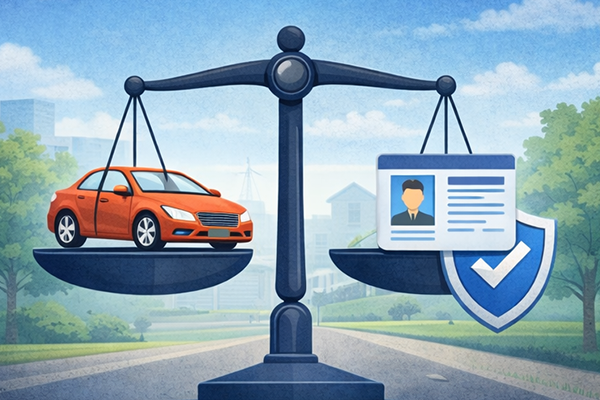
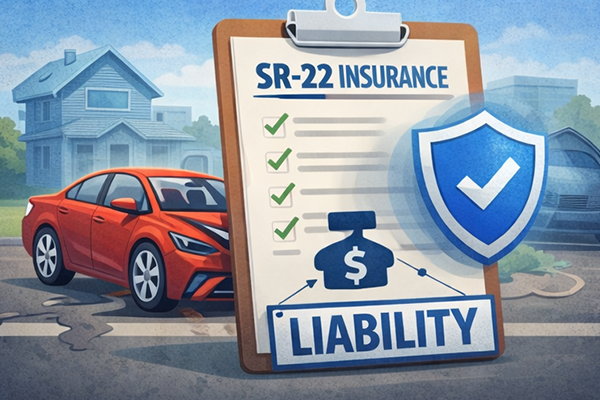
Does SR-22 Insurance Include Liability for My Car?
Yes—liability coverage is mandatory for any SR-22 filing.
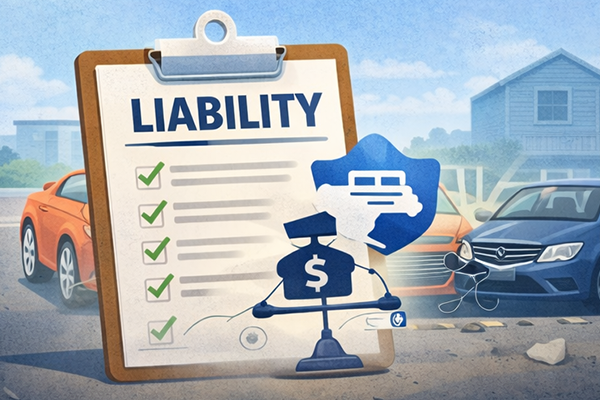
What Liability Coverage Does
When you ask Does SR-22 insurance include liability for my car, the accurate interpretation is:
- Liability coverage protects others, not your own vehicle
It includes:
- Injuries to other drivers or passengers
- Damage to other vehicles or property
What It Does Not Do
Liability coverage does not pay for:
- Repairs to your car
- Replacement of your vehicle
For that, you need collision and comprehensive coverage.
SR-22 Coverage for Owned Vehicle Explained
Let’s clearly break down SR-22 coverage for owned vehicle explained, step by step.
Step 1: Own a Vehicle
If you own a car and need SR-22:
- You must insure that vehicle (or yourself as a driver)
- The car must be listed on the policy
Step 2: Choose Coverage Types
Your options include:
- Liability (required)
- Collision (optional)
- Comprehensive (optional)
Step 3: SR-22 Filing
Your insurer files the SR-22 form with the DMV, linking:
- You
- Your active insurance policy
- Your compliance with state law
Result
Your owned vehicle is covered only to the extent of the coverage you selected, not because of the SR-22 itself.
Real Data: SR-22 Insurance Cost and Coverage Trends
Below is a data-based comparison showing how SR-22 impacts cost and coverage choices among U.S. drivers.
Table: Average SR-22 Insurance Data in the U.S.
| Category | Regular Policy | SR-22 Policy |
| Average Annual Premium | $1,670 | $2,450 |
| % Choosing Minimum Liability Only | 42% | 68% |
| % Adding Collision Coverage | 58% | 32% |
| % Adding Comprehensive Coverage | 61% | 35% |
| Average SR-22 Filing Fee | $0 | $25 |
Key Takeaway:
Most SR-22 drivers still can insure their cars fully—but many choose reduced coverage due to cost, which leads to the misconception that SR-22 limits coverage.
Common Mistakes to Avoid with SR-22 and Vehicle Coverage
- Canceling coverage early – This restarts the SR-22 clock
- Assuming SR-22 covers your car automatically
- Buying non-owner SR-22 while owning a car
- Dropping collision/comprehensive without understanding the risk
Any of these can result in fines, license suspension, or uninsured losses.
Practical Guidance: How to Make Sure Your Car Is Covered
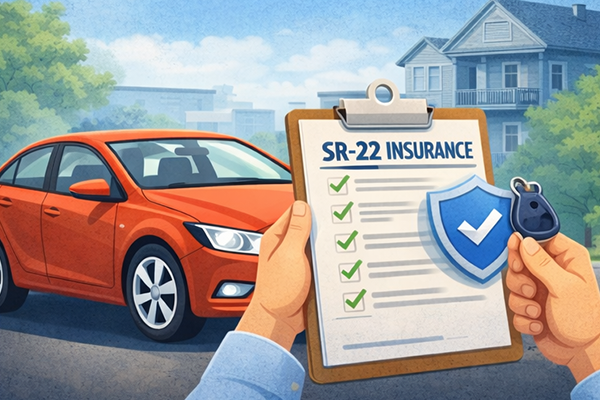
To ensure your vehicle is protected while filing SR-22:
- Confirm whether you need owner or non-owner SR-22
- Review your policy’s coverage types
- Add collision/comprehensive if your car has value
- Verify continuous coverage with your insurer
- Keep SR-22 active for the full state-required period
Final Conclusion: Does SR-22 Cover My Car?
Let’s answer the core question clearly:
- SR-22 does not cover your car
- Your insurance policy does
- SR-22 is proof that your policy meets legal requirements
- Coverage depends on policy type, not the SR-22 filing
If you understand this distinction, you can avoid costly mistakes, stay compliant with your state’s DMV, and choose coverage that actually protects you and your vehicle.
For more SR-22-related FAQs, cost guides, and state-specific help, explore the rest of our Help section—designed to give you clarity, compliance, and confidence while navigating SR-22 insurance in the U.S.
About the Author