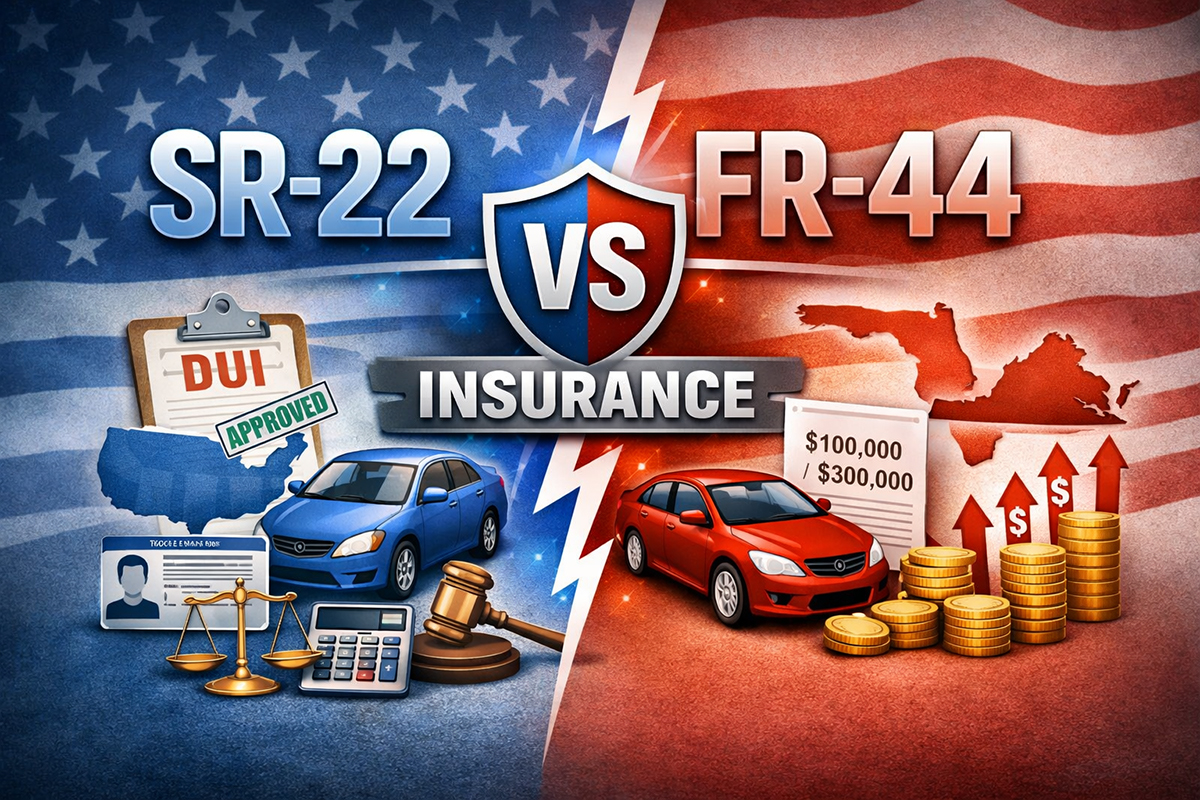
SR-22 vs Regular Auto Insurance: understanding legal requirements, costs, and coverage differences
Introduction: Why SR-22 vs Regular Auto Insurance Is Often Misunderstood
When drivers in the United States search for information about SR-22, one of the most common questions they ask is: Is SR-22 insurance the same as regular car insurance?
This confusion is understandable. SR-22 is often discussed alongside auto insurance, appears on insurance policy documents, and is required by state DMVs after serious driving violations. However, SR-22 and regular auto insurance serve very different purposes.
This article provides a comprehensive comparison of SR-22 vs regular auto insurance, breaking down their legal roles, costs, requirements, and real-world implications. As part of our Compare section, the goal is to help drivers clearly understand their options and obligations so they can make compliant and cost-effective decisions.
At its core, this guide explains the difference between SR-22 insurance and standard auto insurance, why SR-22 exists, and how it affects your ability to drive legally in the U.S.
What Is Regular Auto Insurance?
Regular auto insurance is a standard financial protection policy purchased by drivers to comply with state minimum liability laws and protect against financial loss from accidents.
Core Functions of Regular Auto Insurance
Regular auto insurance typically includes:
- Bodily Injury Liability
- Property Damage Liability
- Optional coverage such as collision, comprehensive, uninsured motorist, and medical payments
Its primary purpose is risk transfer—protecting drivers financially if they cause or are involved in an accident.
Who Needs Regular Auto Insurance?
Almost every licensed driver in the U.S. is legally required to carry at least minimum liability insurance, except in a few states with alternatives.

What Is SR-22?
SR-22 is not an insurance policy. Instead, it is a state-mandated financial responsibility filing submitted by an insurance company to a DMV.
Purpose of SR-22
An SR-22 certifies that:
- The driver carries at least the state’s minimum liability coverage
- The insurer will notify the DMV if the policy lapses or is canceled
SR-22 is typically required after high-risk violations such as:
- DUI or DWI
- Driving without insurance
- License suspension or revocation
- Reckless or repeat traffic offenses
This distinction is central to understanding SR-22 vs regular auto insurance differences.
SR-22 vs Regular Auto Insurance: Core Differences Explained
Legal Nature
- Regular auto insurance: A voluntary (but legally required) insurance contract
- SR-22: A compulsory legal filing ordered by the state
Function
- Regular insurance protects drivers financially
- SR-22 monitors compliance and enforces continuous coverage
Authority
- Regular auto insurance is regulated by state insurance departments
- SR-22 requirements are enforced by state DMVs or courts
This fundamental difference between SR-22 insurance and standard auto insurance explains why SR-22 exists only for certain drivers.

Is SR-22 Insurance the Same as Regular Car Insurance?
No. Despite common usage, SR-22 insurance is not the same as regular car insurance.
Key Clarification
- You buy auto insurance
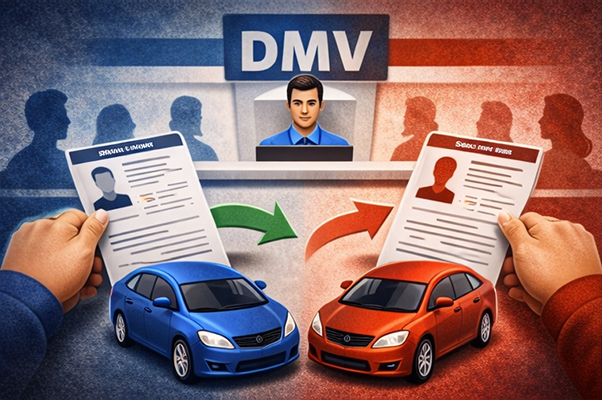
- Your insurer files an SR-22 form on your behalf
The SR-22 is an add-on compliance requirement, not a separate insurance product. Understanding this helps drivers avoid costly mistakes, such as canceling a policy too early.
Do You Need SR-22 in Addition to Regular Auto Insurance?
Yes. If ordered by a court or DMV, you need SR-22 in addition to regular auto insurance.
How It Works
- You purchase a qualifying auto insurance policy
- The insurer files SR-22 with the DMV
- You must maintain continuous coverage for a specified period (often 3 years)
Failing to maintain coverage usually results in:
- Immediate license suspension
- Restarting the SR-22 requirement period
This legal overlay is why SR-22 is considered a compliance mechanism, not coverage.

How SR-22 Filing Affects Regular Auto Insurance
An SR-22 filing directly impacts your insurance profile.
Key Effects
- Your policy is flagged as high-risk
- Fewer insurers are willing to offer coverage
- Premiums increase due to risk classification
This explains how SR-22 filing affects regular auto insurance beyond just paperwork—it changes underwriting decisions and pricing models.
SR-22 Insurance vs Normal Car Insurance Cost
One of the most searched comparisons is SR-22 insurance vs normal car insurance cost.
Why Costs Increase
SR-22 itself usually costs only $15–$50 to file. However, the insurance premiums rise significantly due to:
- Driving history
- Violation severity
- State-specific risk factors

Why SR-22 Insurance Is More Expensive Than Regular Auto Insurance
The higher cost is driven by risk, not the form itself.
Primary Cost Drivers
- DUI convictions
- Multiple violations
- Prior uninsured driving
- Mandatory monitoring by the DMV
This explains why SR-22 insurance is more expensive than regular auto insurance even when coverage limits remain the same.
Real-World Cost Comparison Data
The table below shows average annual liability insurance costs based on industry data and insurer underwriting trends. Actual rates vary by state and driver profile.
| Driver Profile | Filing Status | Avg Annual Cost |
| Clean record driver | Regular auto insurance | $1,200 |
| Minor violations | Regular auto insurance | $1,450 |
| DUI conviction | SR-22 required | $2,300 |
| Multiple violations | SR-22 required | $2,800 |
| Uninsured driving offense | SR-22 required | $2,100 |
Key Insight: The SR-22 filing fee is minimal, but the risk profile drives premium increases, often doubling standard rates.

SR-22 Insurance Requirements Compared to Regular Auto Insurance
Understanding SR-22 insurance requirements compared to regular auto insurance is critical for compliance.
Regular Auto Insurance Requirements
- Maintain minimum liability limits
- Policy lapses may not be reported immediately
SR-22 Requirements
- Continuous coverage with no lapses
- Mandatory insurer reporting
- Fixed compliance period (usually 2–5 years)
Failure under SR-22 conditions triggers automatic penalties, making compliance far stricter.

Common Myths About SR-22 vs Regular Auto Insurance
Myth 1: SR-22 provides extra coverage
False. It only certifies minimum coverage.
Myth 2: SR-22 replaces auto insurance
False. You still need a valid policy.
Myth 3: SR-22 automatically expires
False. You must actively maintain coverage until the requirement ends.
Who Should Pay Special Attention to This Comparison?
This comparison is especially relevant for:
- Drivers with suspended licenses
- DUI or DWI offenders
- Drivers required to file proof of financial responsibility
- High-risk drivers seeking reinstatement
Understanding SR-22 early can prevent license re-suspension and long-term financial damage.
Strategic SEO Takeaway for Drivers
From an SEO and user-intent perspective, searches related to SR-22 vs regular auto insurance differences signal confusion and urgency. Drivers searching these terms often need:
- Fast clarification
- Legal compliance guidance
- Affordable coverage options
Providing accurate comparisons helps drivers avoid penalties and overpaying.

Conclusion: Choosing Compliance Over Confusion
The comparison between SR-22 vs regular auto insurance is not about choosing one over the other—it’s about understanding how they work together.
Regular auto insurance protects you financially.
SR-22 ensures you remain legally compliant after serious violations.
By understanding the difference between SR-22 insurance and standard auto insurance, drivers can make informed decisions, maintain legal driving status, and eventually return to standard insurance without penalties.
If you are required to file SR-22, the smartest move is compliance without interruption—because with SR-22, consistency is everything.
About the Author